What Is HappyFleet? The AI Recruiter + AI ATS Built for Frontline Hiring
HappyFleet's AI Recruiter phone-screens every frontline applicant in minutes, and the AI ATS moves them from apply to hire. Watch the 2-minute overview.

Playbooks, customer stories, and product updates for the operators hiring the people who keep the world moving.
An Applicant Tracking System (ATS) built for high-volume Amazon DSP hiring needs to do more than store resumes in a database.
A commercial cleaning company hiring across dozens of sites needs an Applicant Tracking System (ATS) built for mobile-first applications, structured data capture, and multi-site pipeline management, not a generic corporate hiring tool.
Delivery and courier companies hire differently than most industries. Openings spike overnight when a new contract lands, candidates apply from a phone while standing in a parking lot, and every hub or market needs its own pipeline.
A strong Applicant Tracking System (ATS) for FedEx ISP and TSP hiring needs to do more than store resumes: it needs to handle mobile-first driver applications, capture structured data like license class, endorsements, and route availability, and let individual terminals manage their own hiring pipelines while central HR keeps a company-wide view.
At a minimum, an Applicant Tracking System (ATS) built for high-volume home care hiring needs to handle mobile-first caregiver applications, parse resumes into structured fields like certifications and availability, support separate pipelines by branch or territory, offer role-based permissions for staffing coordinators and agency owners, manage requisition and approval workflows so caregiver openings post fast, and let coordinators search a growing historical applicant pool for rehire candidates.
An Applicant Tracking System (ATS) built for hotel and hospitality hiring needs to handle mobile-first applications, parse resumes into structured data like role and availability, let each property customize its own pipeline, and route requisitions through approval quickly enough to keep up with seasonal ramp-ups.
An Applicant Tracking System (ATS) built for high-volume logistics hiring needs to do more than store resumes.
A restaurant or QSR Applicant Tracking System (ATS) needs to handle mobile-first applications, parse candidate data automatically, support multi-location pipelines, and give general managers and corporate HR different levels of access, all while helping teams open and fill crew roles fast.
An effective Applicant Tracking System (ATS) for high-volume retail hiring needs mobile-first applications, automated data capture, and workflows built around seasonal surges.
At minimum, an Applicant Tracking System (ATS) built for high-volume security guard hiring needs mobile-first application handling, automatic parsing of licensing and certification data, pipelines that can be organized by client contract or post, role-based permissions for branch managers and central HR, fast requisition and approval workflows, and search across historical applicant pools for rehire opportunities.
Senior living communities hire caregivers, med techs, dietary aides, and support staff constantly, often across dozens of locations with different staffing ratios, resident census levels, and licensing requirements.
A high-volume skilled nursing Applicant Tracking System (ATS) needs mobile-first applications, automatic parsing of certifications and licensing data, facility-level pipeline customization, and role-based permissions that separate corporate HR from individual Directors of Nursing and facility administrators.
Staffing agencies and RPO firms run recruiting at a different scale than a single employer. One team might be filling openings for a dozen clients at once, each with its own pipeline, pay rates, and hiring managers, all drawing from a shared candidate pool.
A warehouse or fulfillment Applicant Tracking System (ATS) needs to handle mobile-first applications, parse resumes into structured fields like certifications and shift availability, organize pipelines by shift and facility, and support role-based permissions so shift supervisors and central HR see only what they need.
An Applicant Tracking System (ATS) is software that manages the full hiring pipeline for Amazon Delivery Service Partners, from posting a driver job to tracking every applicant through screening, documentation, interviews, and hire.
An Applicant Tracking System (ATS) is software that organizes every step of hiring, from posting a janitorial or cleaning role to moving each applicant through screening, eligibility checks, interviews, and an offer, all inside one system instead of scattered emails, texts, and spreadsheets.
An Applicant Tracking System (ATS) is the software that delivery and courier companies use to manage hiring from the moment a job is posted to the moment someone is hired and onboarded.
An Applicant Tracking System (ATS) is software that organizes every stage of driver hiring, from the moment someone applies for a contracted FedEx route to the day they're onboarded and dispatched.
An Applicant Tracking System (ATS) is software that manages every stage of hiring, from posting a caregiver job to moving an applicant through screening, interviews, and onboarding.
An Applicant Tracking System (ATS) is software that hotel and hospitality employers use to post open roles, collect applications, and move candidates through a hiring pipeline from first contact to hire date.
A logistics company's Applicant Tracking System (ATS) is the software that manages every candidate from the moment they apply for a driver, dispatcher, or warehouse role until the day they're hired.
An Applicant Tracking System (ATS) is software that manages every stage of hiring for crew members, line cooks, shift leads, and managers, from the moment a job is posted to the moment someone is hired.
An Applicant Tracking System (ATS) is the software retail hiring teams use to post open roles, collect applications, and move candidates through every step of the hiring pipeline until someone is hired.
An Applicant Tracking System (ATS) is software that manages a security company's hiring pipeline, from posting an open guard position to moving a candidate through screening, licensing verification, and offer to hire.
An Applicant Tracking System (ATS) for senior living hiring is software that manages the full caregiver and staff hiring process in one place: posting open caregiver, nursing, dining, and maintenance roles, collecting applications, moving candidates through a pipeline, and recording the hire.
An Applicant Tracking System (ATS) is software that manages every step of hiring for a skilled nursing facility, from posting a CNA or nursing job to moving candidates through screening, scheduling, credentialing, and an offer.
An Applicant Tracking System (ATS) is software that stores every job requisition, application, and candidate interaction in one searchable system, moving people through defined pipeline stages instead of scattering them across inboxes and spreadsheets.
An Applicant Tracking System (ATS) is software that organizes every step of hiring for a warehouse or fulfillment operation, from posting a job for a picker, packer, or forklift operator role to tracking each applicant through screening, interviews, and an offer.
The real fix for high-volume scheduling headaches is not a better calendar link, it's removing the manual handoffs between screening, scheduling, and candidate communication altogether.
Building an active talent community means intentionally staying in touch with qualified candidates, even after they were not hired, so you have a warm, ready-to-contact pool instead of starting every search from zero.
A world-class candidate feedback loop after a rejection means every applicant gets a timely, clear, and respectful status update — never silence — along with whatever specific, actionable feedback is realistic to give at that volume.
Most companies lose the largest share of qualified candidates between application and interview, specifically during phone screening and interview scheduling, where manual follow-up delays create the widest gap between candidate interest and candidate action.
Modern talent acquisition teams stay human-centered by drawing a firm line: AI handles repetitive, time-sensitive tasks like initial phone screening, follow-up messaging, and interview scheduling, while a person always makes the final hiring decision.
An inclusive and engaging job description uses plain, gender-neutral language, lists only true must-have qualifications, and is honest about pay, schedule, and day-to-day expectations.
Your interview process is too long if candidates go quiet between rounds, offer-decline rates climb, or applicants regularly tell you they accepted another job before you finished evaluating them.
The most effective outbound sourcing strategies for hard-to-fill frontline roles — CDL drivers, certified caregivers, licensed security officers, bilingual staff — combine structured referral incentives, direct outreach into adjacent gig and delivery platforms, partnerships with trade schools and certification programs, and systematic re-engagement of past qualified applicants.
A standardized resume screening rubric replaces gut-feel judgments with a fixed, written set of must-have and nice-to-have criteria that every reviewer applies the same way to every candidate.
Structured interviewing is a hiring method in which every candidate for a role is asked the same set of predetermined questions, in the same order, and evaluated against the same scoring rubric.
Take-home assignments are better at measuring sustained, independent work on realistic problems, while live technical assessments are better at revealing how a candidate thinks, communicates, and handles pressure in real time.
There is no single "industry benchmark" for time-to-hire or cost-per-hire that applies across every sector, and treating one as if it does is one of the most common mistakes in talent acquisition reporting.
The fastest way to train hiring managers to give faster, more objective feedback is to stop asking them to write essays and start giving them short, structured scorecards with a handful of job-specific questions and a hard deadline tied to a real candidate decision.
Every company, regardless of size, needs an ATS with a searchable candidate database, configurable application forms, and basic reporting on pipeline stages and time-to-fill.
Candidates ghost employers for three main reasons: the hiring process moves too slowly and silence sets in after they apply, a competitor with a faster process extends an offer first, or the communication experience along the way feels confusing, inconsistent, or impersonal.
An AI Applicant Tracking System (ATS) is better than a traditional Applicant Tracking System (ATS) because it doesn't just store and organize candidates, it actively screens and communicates with them, instantly and around the clock.
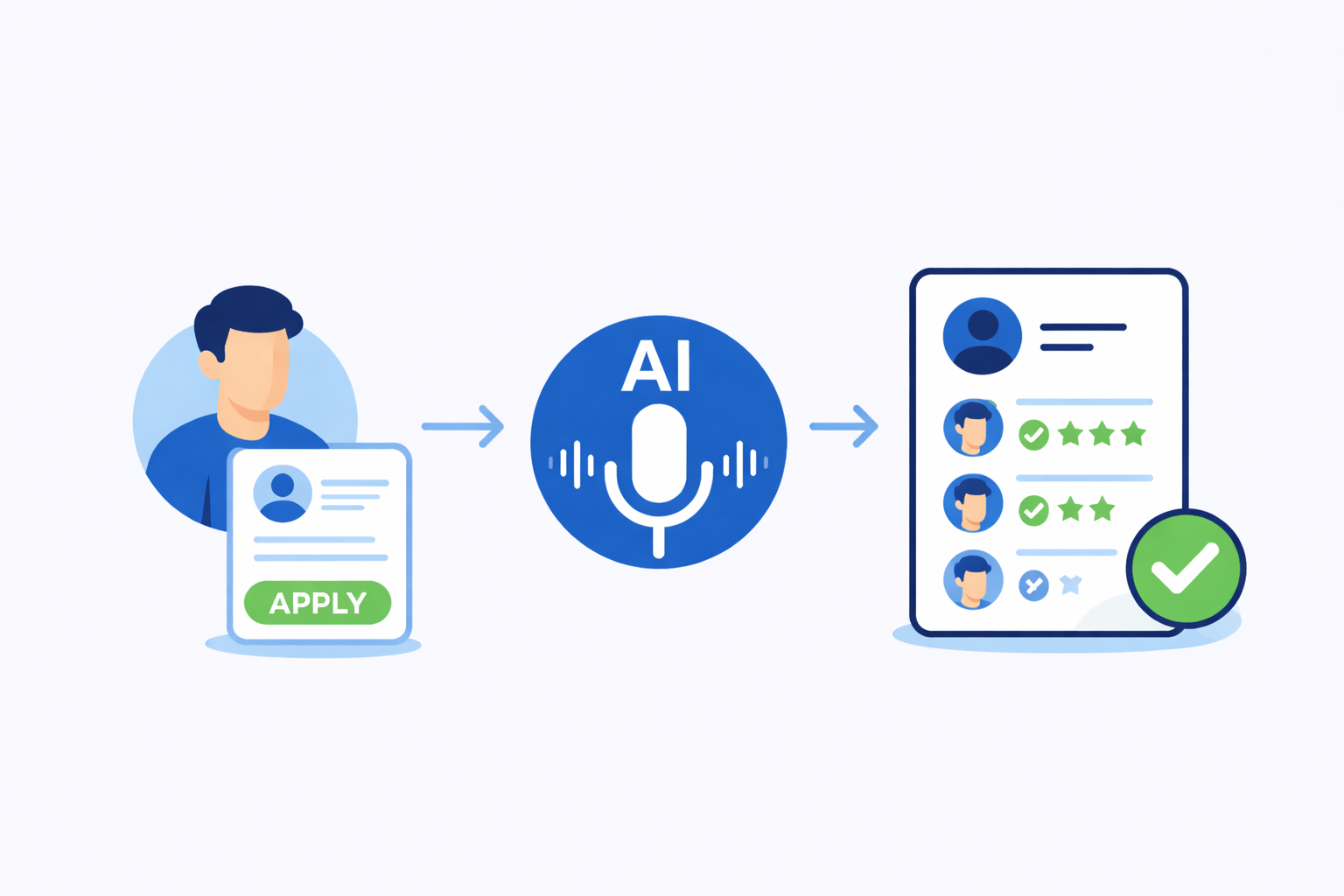
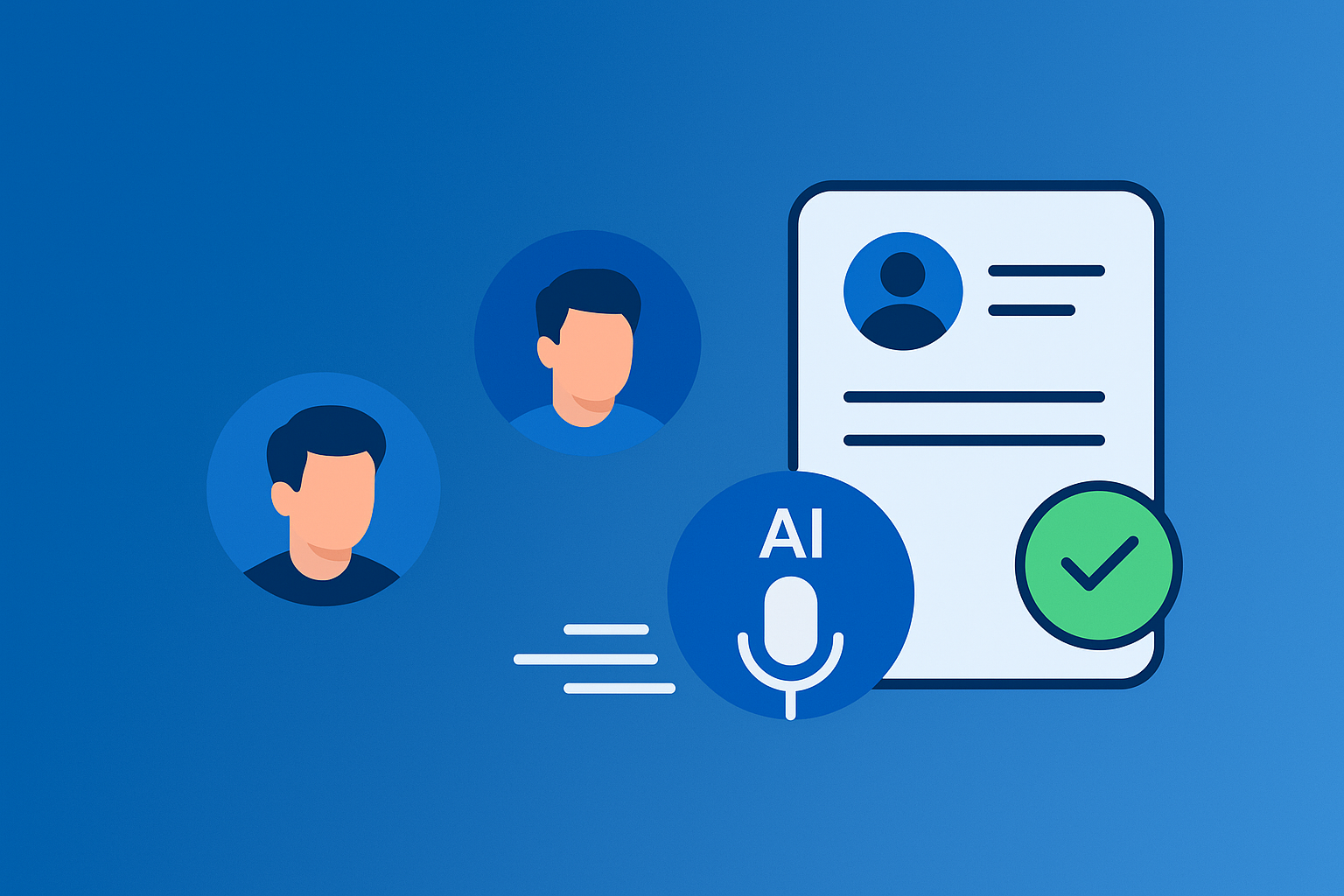
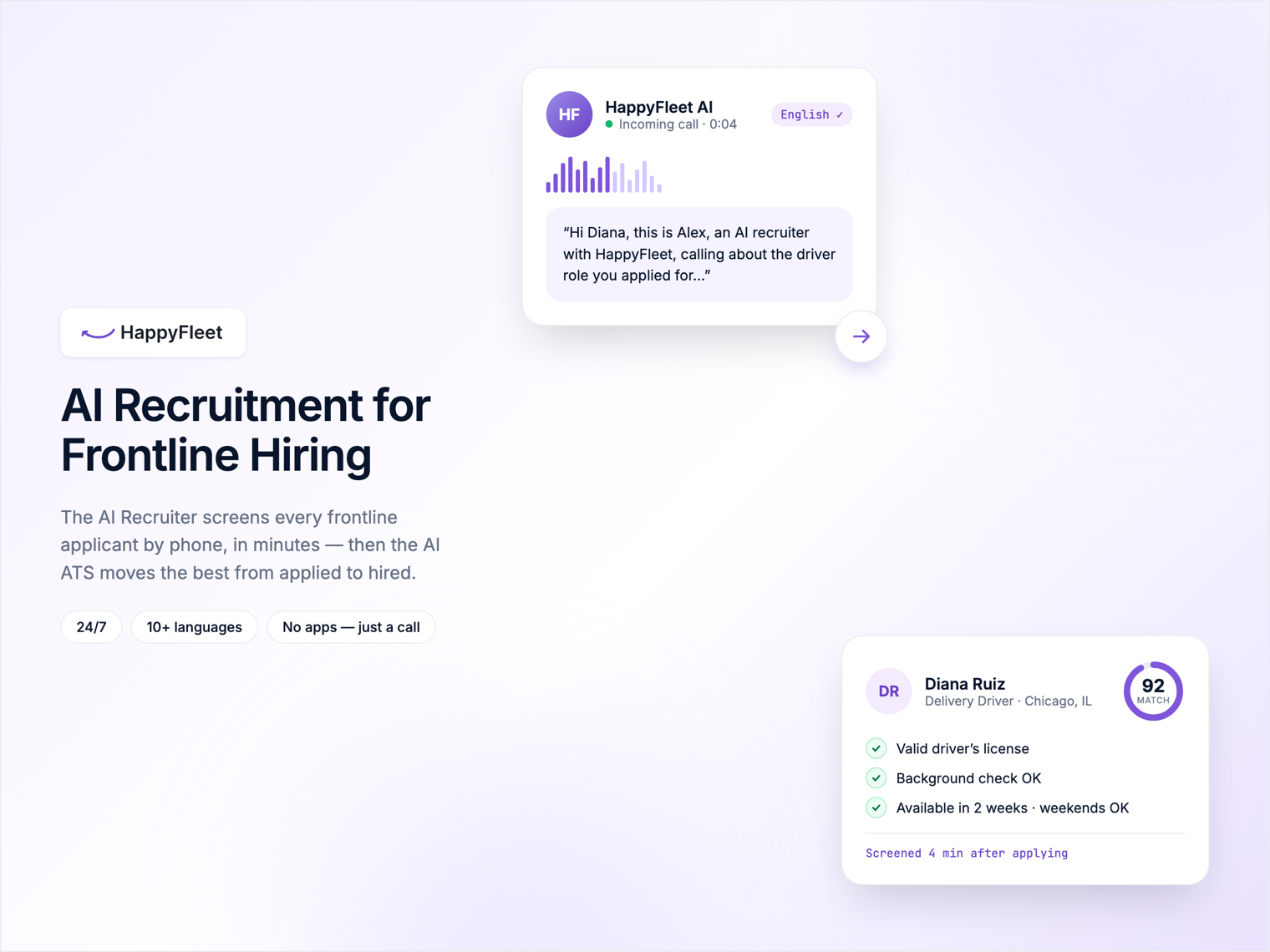
HappyFleet's AI Recruiter calls every applicant, asks your screener and interview questions, scores the answers, and returns a summary, transcript, and recording. Set a score threshold and top candidates advance on their own.
An Applicant Tracking System (ATS) should give hiring leaders visibility into core recruiting metrics (time-to-hire, cost-per-hire, source of hire), stage-by-stage funnel conversion, recruiter and team performance, candidate experience, location-level comparisons, and workforce composition trends.
HappyFleet Chat keeps every candidate conversation on the application, lets teammates jump in, and shows exactly who's waiting on you in a "Needs response" view. Staff-only team chats keep internal discussion next to the record and away from candidates.
An Applicant Tracking System (ATS) handles candidate communication and interview scheduling by automating the messages and coordination that used to sit on a recruiter's desk.
Every HappyFleet pipeline stage can message candidates the moment they enter it and again if they stall, personalized automatically and sent by text, email, or both, so no candidate is ever left guessing where they stand.
An Applicant Tracking System (ATS) supports compliance, reporting, and audit trails for large organizations by capturing every hiring decision, communication, and screening interaction in a structured, timestamped record that legal, HR leadership, and outside auditors can review on demand.
Yes. HappyFleet's Signature / Form Fill stage takes the PDF you already use, lets you mark where candidates sign and fill, and auto-fills details like name, address, title, and pay. Candidates sign from their portal and the completed document stays on the application with a full audit trail.
HappyFleet gives each brand its own name, color, and logo on apply pages and a careers page of its open jobs. Group brands under a parent and candidates see every job across the group in one place, while each brand keeps its own identity.
At a minimum, an Applicant Tracking System (ATS) built for high-volume, multi-location hiring needs to handle large application volume without lag, parse resumes into structured data automatically, support separate pipelines by role and location, offer role-based permissions for large recruiting teams, manage requisitions and approvals at scale, and let recruiters search and filter a growing historical candidate database.
Yes. A modern Applicant Tracking System (ATS) is built to connect with the other enterprise systems that hiring data flows into and out of, including HRIS platforms, payroll providers, background check vendors, e-verify and work-eligibility tools, job boards, scheduling tools, and single sign-on (SSO) for enterprise identity management.
With HappyFleet's Scheduling stage, candidates pick a time from a calendar you control, get confirmations and reminders automatically, and your team decides what a no-show means: review, rebook, or reject. One calendar can serve every job and location.
An Applicant Tracking System (ATS) manages multi-location hiring by combining one shared platform with location-specific job requisitions, pipelines, and permissions, so every site posts, screens, and hires within its own workflow while corporate leadership sees rolled-up data across the whole organization.
HappyFleet's Questionnaire stage puts a custom form in front of every applicant, shows follow-up questions only when they apply, and uses review rules to route exceptions to a person, so recruiters read the applications that need judgment instead of all of them.
An Applicant Tracking System (ATS) is software that manages a company's hiring workflow from the moment a role is posted to the moment someone is hired.
A traditional ATS is a passive database — it stores applications, lets a recruiter filter by keyword, and then waits for a human to call, screen, and schedule every candidate by hand.
AI recruiting works for commercial cleaning and janitorial companies by replacing slow, manual phone screening with an AI Recruiter that calls and evaluates every applicant within minutes, at any hour, across every site a company services.
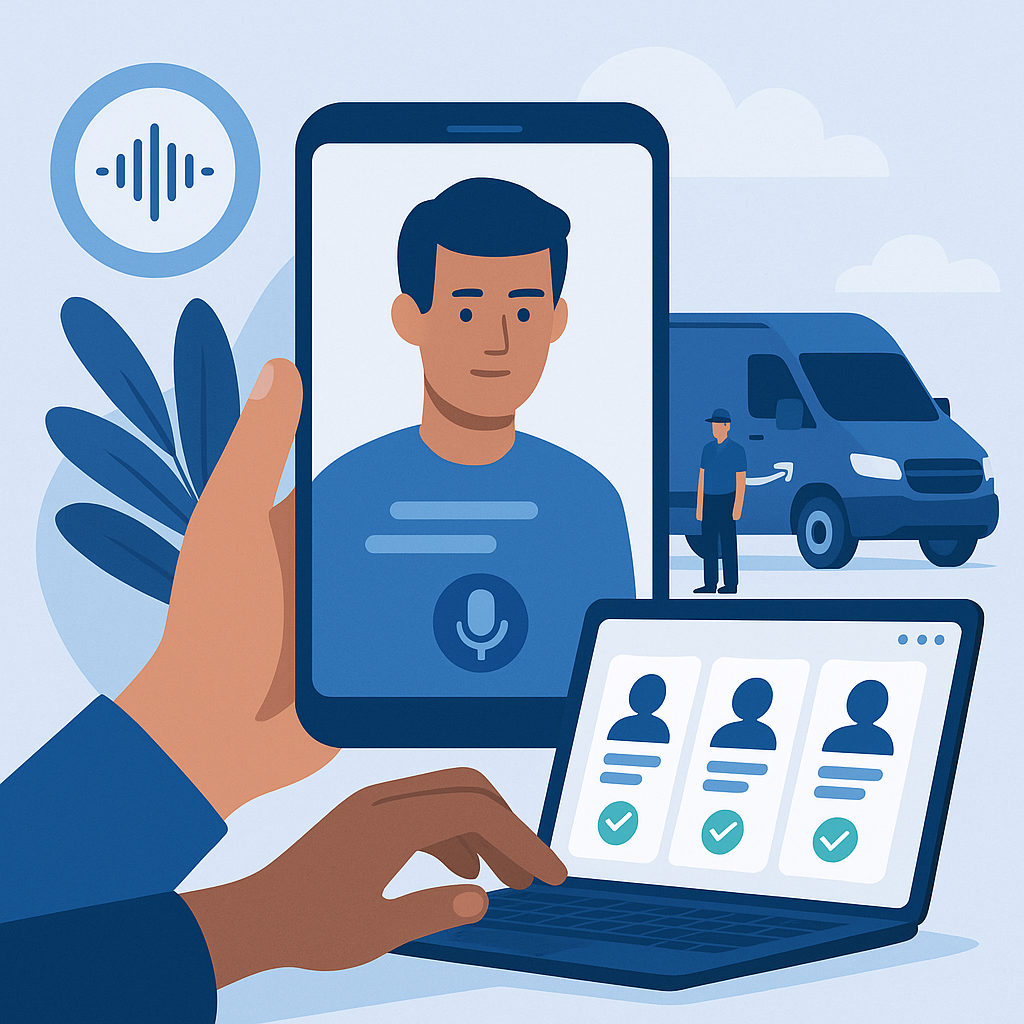
AI recruiting for delivery and courier companies works in two connected steps: an AI Recruiter phone-screens every driver applicant within minutes of applying, verifying eligibility and scoring fit before a human ever gets involved, and an AI ATS then takes over the pipeline, texting candidates, booking interviews, and logging data automatically.
AI recruiting for frontline and hourly workforces works by replacing slow, form-heavy hiring steps with an AI Recruiter that phone-screens every applicant within minutes of they apply, at any hour, in more than 10 languages, and an AI ATS that then texts candidates, books interviews automatically, and moves them through the pipeline without a recruiter chasing anyone down.
AI recruiting for home care and senior living works by putting an AI Recruiter on the phone with every caregiver applicant the moment they apply, asking the same structured questions about availability, experience, reliability, and compassion, and producing a scored summary within minutes instead of days.
AI recruiting for hotels and hospitality works by combining an AI phone-screening interviewer with an AI-powered applicant tracking system (ATS) so that every applicant, whether it's one or one thousand, gets contacted, interviewed, and scored within minutes of applying.
AI recruiting for restaurants and QSR works by phone-screening every applicant automatically, day or night, then handing qualified candidates to an AI-driven applicant tracking system that texts them, schedules interviews, and keeps their data updated at every step.
AI recruiting for retail hiring works by using an AI Recruiter to phone-screen every applicant the moment they apply, day or night, and score each one for fit and eligibility before a human ever looks at a resume.
AI recruiting for security guard companies works by using an AI Recruiter to phone-screen every applicant the moment they apply, asking about state licensing status, firearms certification, availability, and post preferences before a human recruiter ever gets involved.
AI recruiting works for skilled nursing facilities by automatically phone-screening every CNA and nursing applicant the moment they apply, at any hour, in the applicant's own language, and handing hiring teams a scored summary of who is qualified and available.
AI recruiting works for staffing agencies and RPOs by automating the first, most repetitive stage of hiring — phone screening — across many clients and open roles simultaneously, then keeping every qualified candidate engaged until a recruiter is ready to submit them.
AI recruiting works for warehouse and fulfillment operations by using an AI Recruiter to phone-screen every applicant the moment they apply, day or night, and an AI ATS to keep candidates moving through scheduling, onboarding, and safety-readiness steps without a recruiter having to chase them down.
AI recruiting works by handing the repetitive early stages of hiring, screening, scoring, and scheduling, to software instead of a human recruiter.
An AI ATS is an applicant tracking system that actively manages candidates through the hiring pipeline instead of just storing their resumes.
An AI recruiter is software that conducts the first-round phone screening interview with every job applicant automatically, asking role-specific questions by phone or voice call, in more than 10 languages, at any hour of the day or night.
HappyFleet is an AI-powered hiring platform built for frontline-workforce industries that need to hire hourly and route-based workers in high volume, fast.

Nokia Crane went from bank manager to UPS seasonal driver to FedEx operations manager before winning an Amazon DSP contract in Georgia. On the HappyFleet podcast, he talks about leadership, safety culture, a 90% electric fleet, and building a company his community can rely on.

Aaron Hoffman started Deliver That from his college dorm at 19. Twelve years and zero venture dollars later, it does $25–30M in annual revenue. On the HappyFleet podcast, he breaks down the pivots, the bootstrapped philosophy, and what $30M didn't buy him.

Kim Hoffmann ran military dental logistics across 30 states before launching her Amazon DSP in Madison, Wisconsin. On the HappyFleet podcast, she explains how that operations background shaped her approach to hiring, screening technology, and scaling to 40-plus routes.

Tony Razza bought his first truck at 19 and built Elite Home Delivery into a 75-truck operation. On the HappyFleet podcast, he explains why he walked away from both an Amazon DSP and a FedEx ISP, and the hiring lessons from four decades in last-mile delivery.

Rafael Garcia left a law career in Venezuela, emigrated to the U.S., and built Gallo Logistics into a 35-route Amazon DSP in Florida. On the HappyFleet podcast, he breaks down promoting leaders from within, surviving Florida's brutal insurance market, and the no-code AI tools he's using to automate the back office.

Jose went from delivery driver to running All for One Logistics — 120 employees and 60 routes in five months. On the HappyFleet podcast, he breaks down the preparation, hiring strategy, and financial reality behind one of the fastest ramps in the program.

Express Package reduced manual HR work by 87% and cut screening time from one week to two days by implementing HappyFleet's AI voice recruiter, transforming their high-volume hiring process.

F4L Trans, an Amazon DSP, reduced hiring bottlenecks by automating candidate screening, orientation, and follow-up with HappyFleet's AI recruiter, saving 10+ hours weekly while improving candidate engagement.

HappyFleet has joined Amazon's Vendor Exchange Program, bringing AI-powered voice interviews to Amazon DSP hiring workflows with proven results: 90% faster screening, 4× higher candidate engagement, and 10+ recruiter hours saved weekly.

An Amazon Delivery Service Partner transformed their hiring process using AI-powered phone screenings, reducing screening time from 25+ hours to 1 hour while improving second-round show rates from 15% to 76%.

HappyFleet's AI recruiting tool enabled Duality Ventures to reduce candidate screening time from 5 days to 1 day while automating 87% of manual hiring work, allowing teams to prioritize top candidates and accelerate hiring decisions.

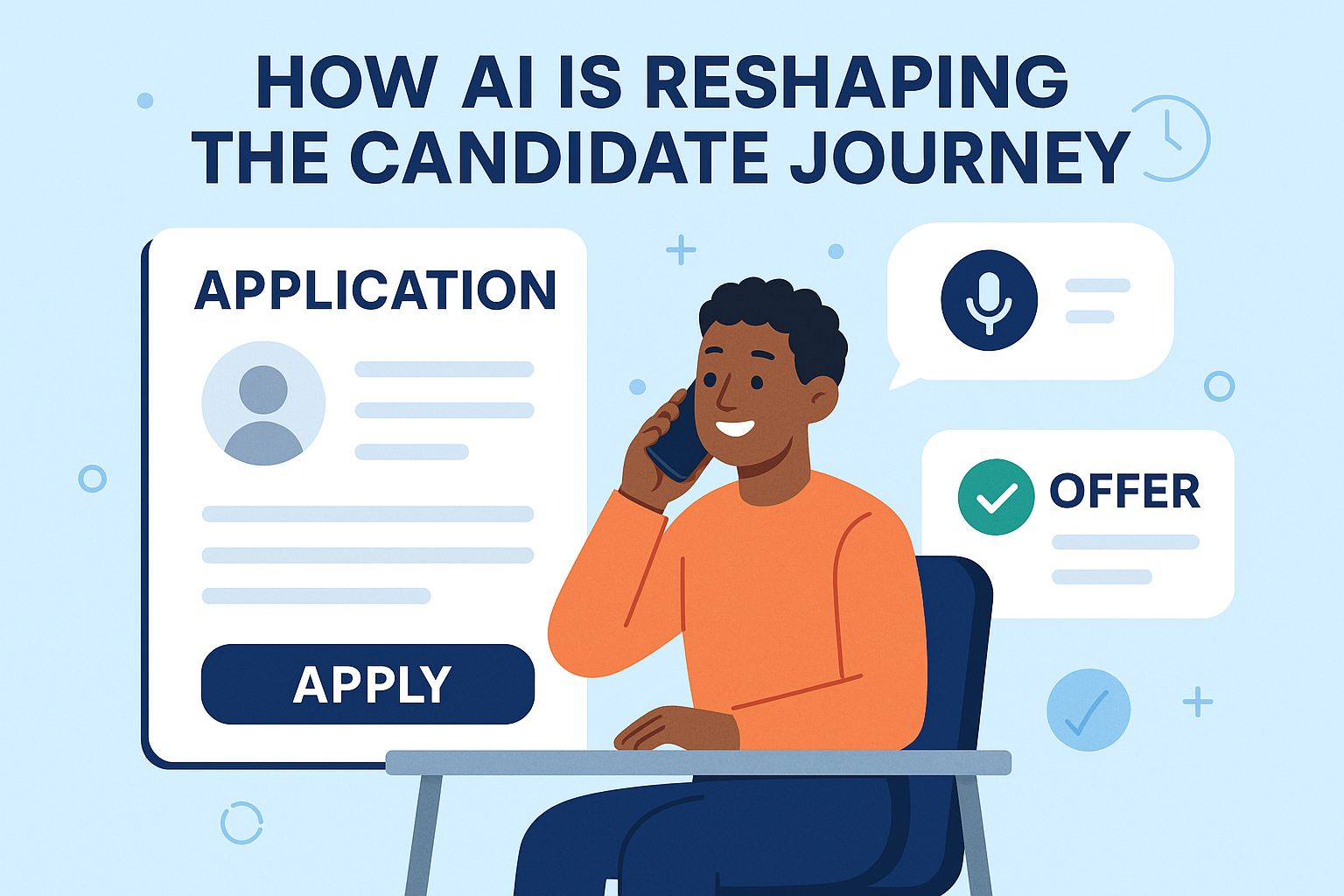
AI-powered recruiting platforms are reshaping how organizations engage candidates by delivering instant responses, round-the-clock flexibility, and standardized interview processes that reduce bias while improving hiring outcomes.

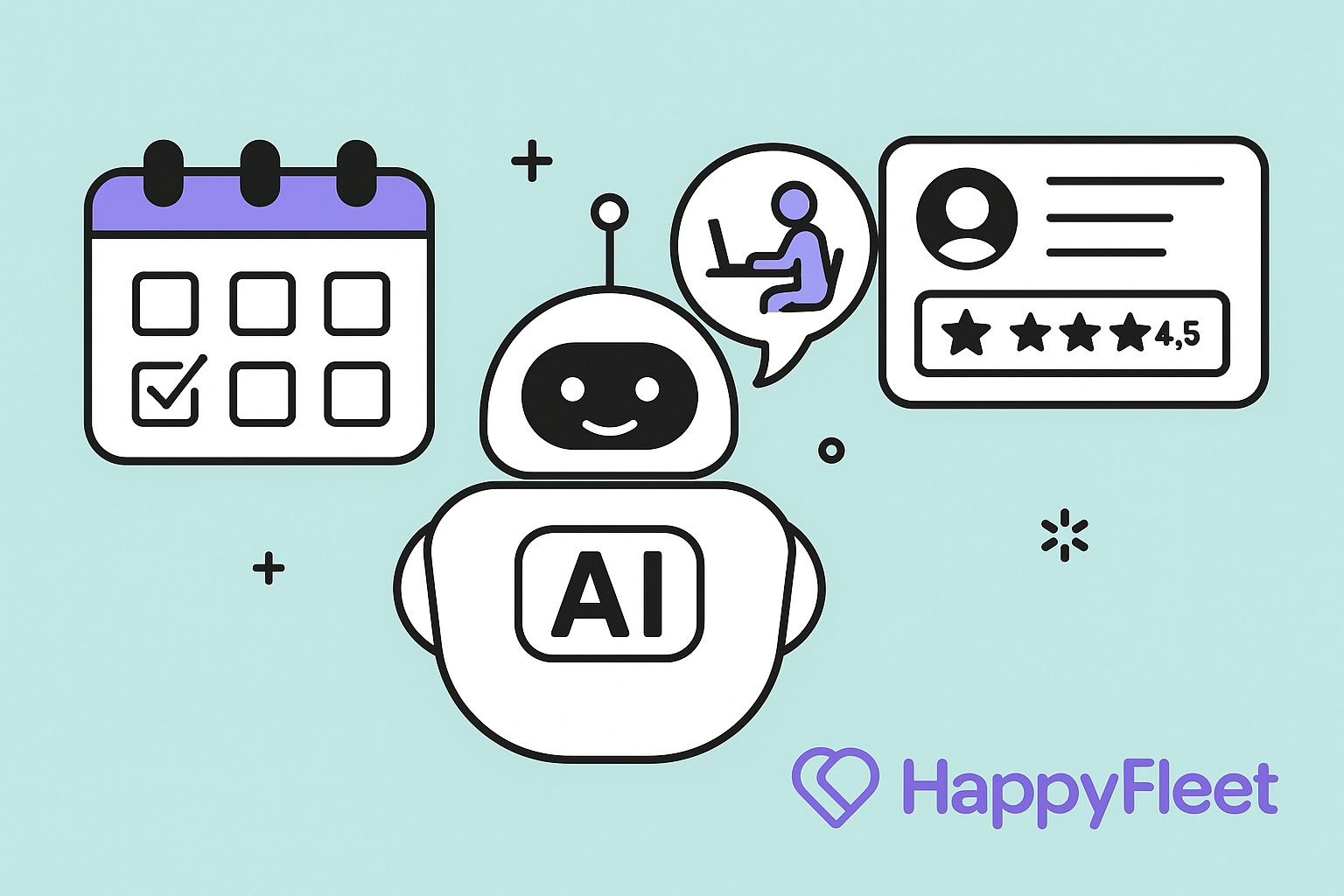
HappyFleet's AI recruiter automates candidate screening by conducting voice interviews, scoring responses, and ranking applicants — enabling hiring teams to focus on top talent while reducing manual workload and hiring delays.